Two Paths to the Same Goal
At the heart of club culture lies a constant fundamental task: guiding a dancing crowd through a sonic narrative that sustains momentum for hours. Yet looking behind the booth reveals two entirely different worlds of performance. On one side stands the traditional DJ set, rooted in playing pre-produced music. On the other operates the live set, where sounds, sequences, and rhythms are generated or manipulated in the immediate present. Both formats aim to move the floor, but they rely on fundamentally different tools, preparation structures, and approaches to risk.
The DJ Set: Curation and Reaction
At its core, the DJ set is an art of selection, timing, and spontaneous contextualization. A DJ draws from a collection of mastered tracks, often built over years. The primary creative achievement lies in the dramaturgy: which track follows another? How does the mix react to the room's energy?
- Curatorial flexibility: A DJ can shift directions within seconds if the floor demands a different mood.
- Technical reliability: The tracks are fixed, allowing full focus on mixing, equalizing, and audience reading.
- Spontaneous interaction: Eyes remain free to scan the room, and communication with the crowd is direct.
However, a DJ set is far from merely pressing play. Mastery shows in a subtle feel for the evening's dynamics, precise use of effects, and placing familiar tracks into completely unexpected contexts.
The Live Set: Construction and Control
Bringing a live set to the stage often means relocating a substantial part of one's studio setup into the club. Synthesizers, drum machines, samplers, and effects units replace the digital music library. Ideally, music is arranged, muted, filtered, and modulated in real time.
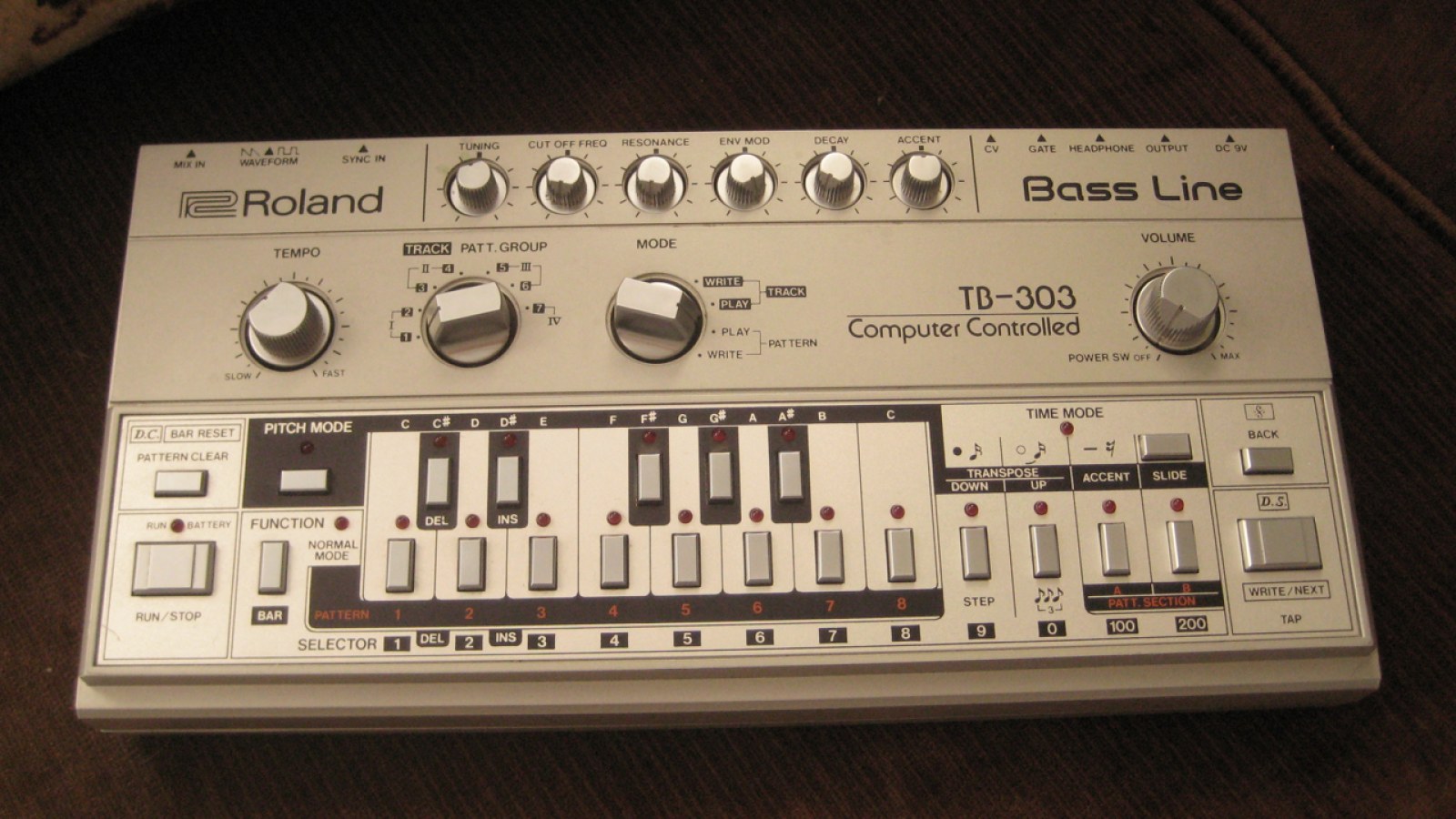
- Deep control: Every acoustic element can be shaped instantly, from a kick drum's decay to an acid line's cutoff.
- High technical overhead: Cabling, clock synchronization, and preparation require immense pre-show discipline.
- The unpredictable: Hardware can crash, MIDI data can freeze, and an entire sonic foundation can vanish at the worst moment.
Risk is a constant companion in a live set. Yet this exact circumstance gives a successful performance an unmistakable tension. The crowd senses that something singular is being forged in that exact moment.
Floor Dynamics
From the audience's perspective, the boundaries often blur. A hard, uncompromising live set can feel just as hypnotic as a meticulously built DJ set. Ultimately, success relies not on the format, but on artistic attitude. While the DJ set finds its strength in infinite flexibility and seamless flow, the live set shines through physical presence, sonic uniqueness, and the tangible energy of creation.
Relevant gear
- Pioneer DJ CDJ-3000
- Elektron Octatrack MKII
- Allen & Heath Xone:96
Discover equipment at Thomann →
Advertising / affiliate link: If you shop at Thomann through this link, Tecknoid303 may receive a commission. This does not change the price you pay.
Image: Tecknoid303 Editorial · original generated artwork. Reuse with attribution welcome.